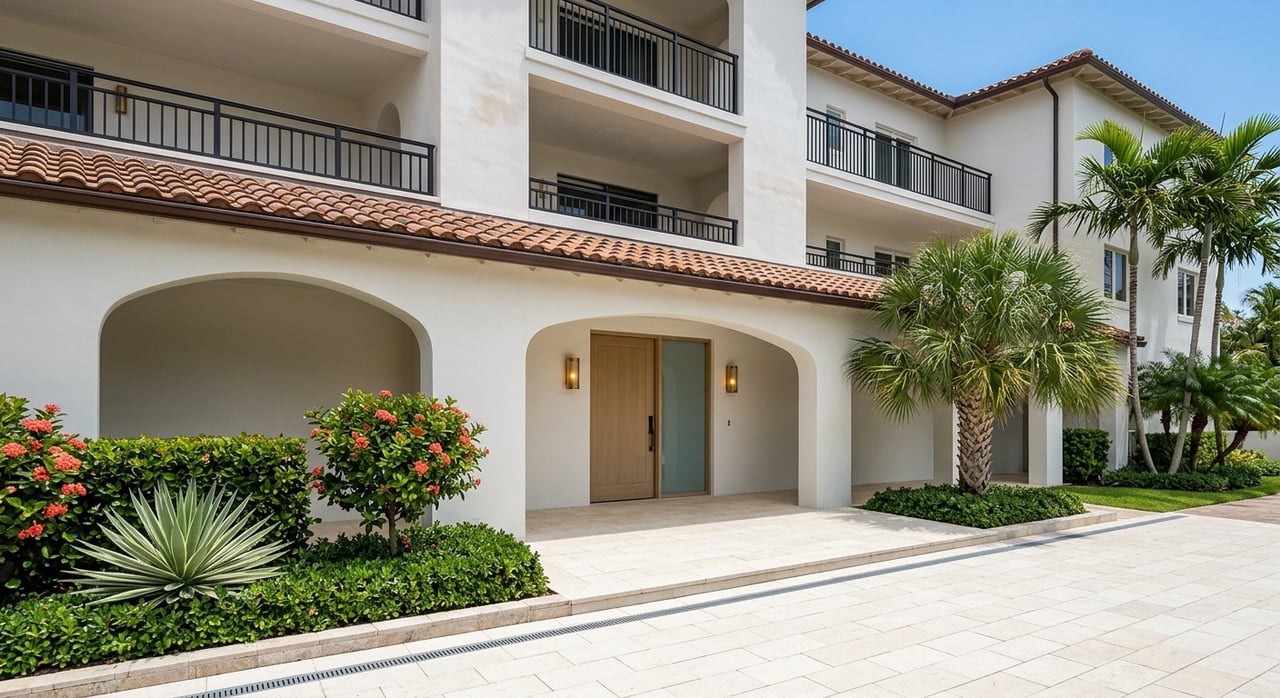
Are you trying to choose between a condo and a villa in Pelican Bay for seasonal living? It is a smart question, because the right fit often has less to do with the address and more to do with how you want your home to work when you are only in Naples part of the year. If you want a clear way to compare privacy, upkeep, fees, and day-to-day convenience, this guide will help you narrow the choice. Let’s dive in.
Pelican Bay seasonal living at a glance
Pelican Bay is a master-planned coastal community in North Naples that covers more than three square miles. According to Pelican Bay Foundation materials, it includes about 6,500 residences, 88 acres of parks and recreation, and 95 associations. All property owners are members of the Foundation.
That matters because both condos and villas connect to the same larger community experience. The Foundation manages beaches, restaurants, racquets facilities, two community parks, boardwalks, tram service, a community center, and related member services. For many seasonal buyers, the main decision is not whether you will enjoy Pelican Bay, but which type of home will feel easier and more comfortable to own.
Shared amenities matter more than property type
One of Pelican Bay’s biggest draws for snowbirds is that much of the lifestyle is community-wide. Foundation information notes nearly three miles of private white-sand beach, beach attendants, beach dining, beach fitness classes, tram access to North Beach and South Beach, racquets programming, a fitness center, a wellness studio, parks, boardwalks, and a community center.
In practical terms, that means a condo owner and a villa owner are often choosing between two ownership styles, not two completely different lifestyles. You are still buying into the same broader Pelican Bay setting. The bigger question is how much space, privacy, and maintenance responsibility you want during the months you are in residence.
Why condos appeal to seasonal buyers
For many part-time residents, a condo offers the simplest lock-and-leave setup. Pelican Bay condo inventory commonly includes elevator access and balcony or lanai living, which can make everyday use feel easy when you arrive for the season.
Because more building systems and exterior elements are shared, condos often reduce the amount of personal exterior upkeep you need to think about. If you prefer to come and go with fewer hands-on maintenance tasks, that can be a major advantage. This is often the path seasonal owners take when convenience is the top priority.
Typical condo advantages
- Easier lock-and-leave living
- Less personal exterior maintenance
- Shared building systems and common areas
- Elevator access in many buildings
- Balcony or lanai spaces that support indoor-outdoor living
Typical condo tradeoffs
- More reliance on building operations and association management
- Less privacy than a more house-like layout
- Reserve health and potential special assessments become important due diligence items
- Rules, fees, and responsibilities can differ from one building to another
Why villas attract seasonal owners
A villa usually offers a more residential feel without leaving the Pelican Bay community. Current villa examples in Pelican Bay are often attached homes with screened lanais, patios, garages, and layouts described as living more like a single-family home.
That style can be appealing if you want more breathing room during the season. You may also like the added storage, private entry feel, or the convenience of a garage. For buyers who want a seasonal home that feels less like an apartment and more like a compact house, a villa can be a strong option.
Typical villa advantages
- More privacy and separation
- A more house-like layout
- Garages in many properties
- Screened lanais or patios for outdoor living
- Better fit for buyers who want extra storage or a less vertical lifestyle
Typical villa tradeoffs
- Maintenance responsibilities can vary more by neighborhood
- Fee structures may be less uniform than in a condo building
- Exterior, roof, landscaping, or structural obligations may not be obvious without document review
- The lock-and-leave experience may depend heavily on the specific association setup
Maintenance and responsibility are key differences
If you are living in Pelican Bay seasonally, maintenance matters. Florida condominium law places maintenance of common elements on the association, except when governing documents assign certain limited common elements to the owner. Condo budgets must also include reserve accounts for capital expenditures and deferred maintenance, and larger condo buildings have periodic structural reserve study requirements.
For you as a buyer, that means a condo may feel easier to maintain personally, but the financial condition of the building matters a great deal. Underfunded reserves can lead to special assessments, so reviewing the budget and reserve picture is essential.
Villa ownership can be less uniform. Under Florida homeowners’ association law, reserve funding may be established, reduced, or waived based on the statute and governing documents, often by member vote. That flexibility means one villa neighborhood may handle upkeep and reserves very differently from another.
Pelican Bay’s own materials reinforce this point. The Foundation notes that neighborhood associations collect and remit assessments to the Foundation, and buyers are directed to review the documents for the specific neighborhood. In other words, you should not assume every villa or every condo works the same way simply because it is in Pelican Bay.
Budget beyond the purchase price
When you compare condos and villas, look beyond the list price. Pelican Bay ownership often involves at least two layers of cost: the master Foundation assessment and the fee structure for the specific neighborhood or sub-association.
The Pelican Bay Foundation FY2026 budget shows a proposed annual assessment of $3,295 per assessable unit. Foundation materials also list a $10,000 capital resale fee, which is a closing-cost item buyers should plan to verify early in the transaction.
Those figures are only part of the picture. Because Pelican Bay includes 95 distinct associations, monthly dues, reserve needs, and rules can vary widely by building or neighborhood. That is why a villa with a lower monthly fee is not automatically the lower-cost choice, and a condo with higher dues is not automatically the more expensive one over time.
Seasonal budgeting checklist
Before you decide, compare these line items for the exact property:
- Pelican Bay Foundation assessment
- Sub-association or neighborhood dues
- Insurance costs
- Property taxes
- Utilities
- Furnishings and seasonal setup costs
- Reserve strength and potential exposure to special assessments
- Closing costs, including the capital resale fee
How to choose based on your lifestyle
A condo is often the better fit if you want the easiest arrival-and-departure routine. If your goal is to spend the season enjoying the beach, tram access, dining, and community amenities with as little personal upkeep as possible, a condo may align well with that plan.
A villa may be the better fit if you want a seasonal home that feels more private and more residential. If you picture yourself enjoying a lanai, having a garage, and spreading out in a layout that feels closer to a small house, a villa may give you the comfort you want.
Neither option is automatically better. In Pelican Bay, both can work well for snowbirds because the lifestyle advantage comes largely from the community amenities. The better choice depends on whether you value simpler maintenance or more personal space.
Compare the specific association, not just the label
This is where many seasonal buyers make the best decision. Instead of asking only, “Should I buy a condo or a villa?” ask, “How does this specific building or neighborhood handle fees, reserves, maintenance, and rules?”
In Pelican Bay, the declaration, budget, reserve information, and estoppel can matter just as much as the floor plan. Two condos can offer very different ownership experiences. The same is true for two villa neighborhoods.
Working through those details early can save you time and reduce surprises later. It also helps you choose a property that fits the way you actually plan to live in Naples each season.
If you are weighing condo versus villa options in Pelican Bay, the right guidance can make the comparison much easier. The Laurel McGarel Group of Realty ONE Group MVP offers concierge-style buyer support, local lifestyle insight, and hands-on guidance to help you find the seasonal home that matches your priorities.
FAQs
What is the main difference between Pelican Bay condos and villas for seasonal living?
- The biggest difference is usually the ownership experience, not amenity access. Condos often offer a more lock-and-leave setup with less personal exterior upkeep, while villas often provide a more house-like feel with more privacy, storage, and space.
Do Pelican Bay condo owners and villa owners get the same community amenities?
- In general, yes. Pelican Bay Foundation members have access to community-wide amenities such as private beach access, tram service, beach dining, racquets programming, fitness and wellness facilities, parks, boardwalks, and the community center.
What costs should seasonal buyers expect in Pelican Bay?
- Buyers should plan for the Pelican Bay Foundation assessment, sub-association dues, insurance, property taxes, utilities, furnishings, and a cushion for reserve-related expenses or special assessments. Foundation materials also list a $10,000 capital resale fee that should be verified during the transaction.
Why are reserve funds important when buying a Pelican Bay condo?
- Condo reserve funds matter because Florida condo budgets must include reserves for capital expenditures and deferred maintenance. If reserves are not healthy enough, owners may face special assessments for major repair or replacement costs.
Why should buyers review documents for a Pelican Bay villa neighborhood?
- Villa responsibilities can vary by association. The governing documents help clarify who handles exterior maintenance, landscaping, structural items, reserves, dues, and other ownership obligations for that specific neighborhood.
Is a condo or villa better for snowbirds in Pelican Bay?
- It depends on your priorities. A condo often suits buyers who want simpler upkeep and easy lock-and-leave living, while a villa often suits buyers who want a more private, house-like seasonal home with features like a garage or lanai.