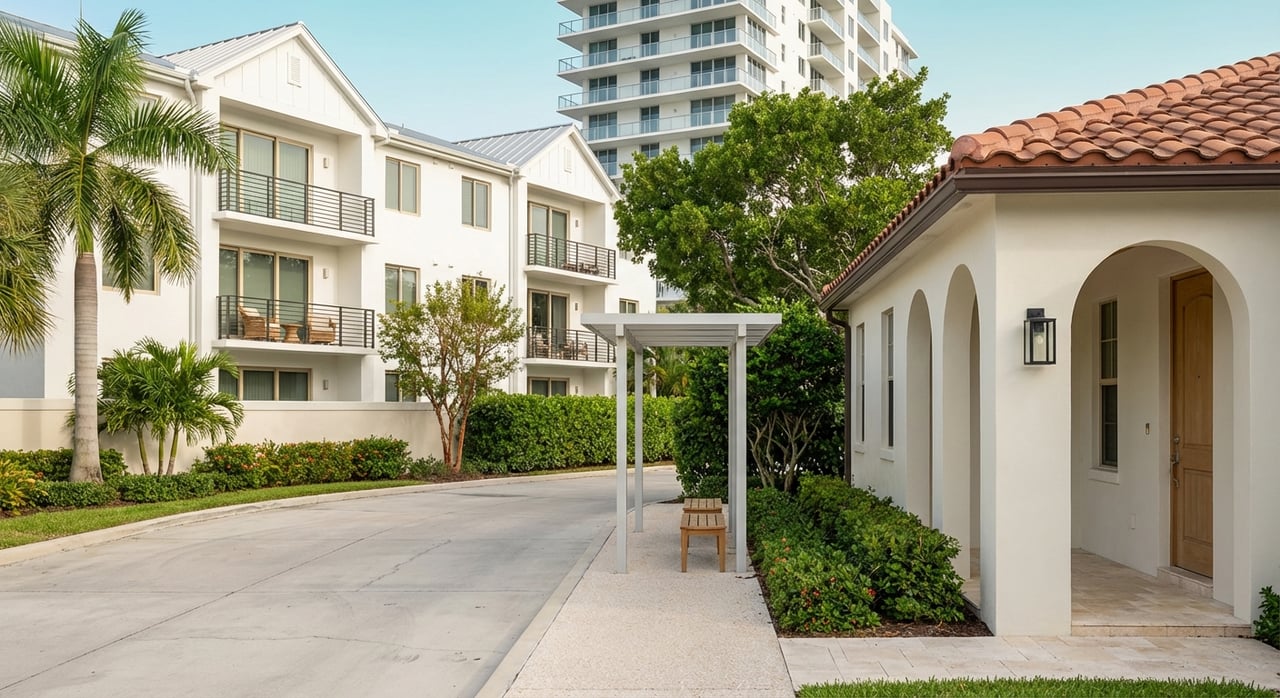
What if your walk to the beach felt more like a private resort ride, complete with an open‑air tram and two beachfront restaurants waiting at the end? If you are weighing a Pelican Bay purchase, you likely want that easy, coastal lifestyle without surprises on fees or rules. In this guide, you will learn how condos, villas, and estate homes compare, which amenities drive value, and what to verify before you buy. Let’s dive in.
Why Pelican Bay stands out
Pelican Bay is a master‑planned community in North Naples with private resident beaches, an electric tram, beachfront dining, racquets and fitness programming, and an optional private golf club. The Pelican Bay Foundation operates community amenities, and the Pelican Bay Services Division handles certain public services and water and landscape programs. You can review community and Realtor resources on the Foundation’s site at the Pelican Bay Realtors page.
Scale matters here. The community stretches roughly 3 to 3.25 miles north to south along the Gulf and includes about 95 sub‑communities and several thousand residences. That breadth creates options across towers, low‑rise buildings, villas, and gated estates, all linked by the tram and a cohesive amenity network.
For quick market context, Zillow’s neighborhood snapshot reported an average Pelican Bay home value of about 1.31 million dollars with data through January 31, 2026. Local broker reports in February 2026 showed median sold prices in the 1.6 to 1.8 million dollar range, with a wide spread by product type and view. Treat these as dated guideposts and rely on current listings for your exact search.
What drives value here
- Private beaches and dining. Pelican Bay operates nearly three miles of resident‑only beachfront with staffed services, cabanas, and two restaurants. See the Foundation’s description of North and South Beaches and dining. Proximity and direct views typically command premiums.
- Tram access. The open‑air electric tram links neighborhoods to the beaches and restaurants. The Foundation cites roughly 900,000 tram trips each year, a major lifestyle perk and a community operating cost. Learn more about tram service.
- Optional golf membership. Club Pelican Bay is member‑owned and not included with a home purchase. Membership categories, initiation, and dues change over time. If golf is a priority, plan ahead, confirm wait lists, and treat any published figures as estimates.
- Risk and insurance. Beach access increases demand, but coastal risk and insurance costs can affect values. A peer‑reviewed hedonic study found meaningful price impacts tied to higher flood‑risk locations in coastal markets. You can review a representative analysis in this coastal flood‑risk pricing study.
Property types, prices, and fit
High‑rise gulf‑view condos
If you want lock‑and‑leave convenience and big views, the classic Pelican Bay high‑rise is likely your target. Towers of about 15 to 22 stories line the berm and beachfront, with floor plans from 1 to 3 bedrooms and larger penthouses. Buyers who prioritize unobstructed Gulf vistas typically pay the largest premiums.
- Price context: Entry turnover can appear in the high six‑figure to low seven‑figure range, while most gulf‑view units trade in the mid to upper seven figures. Penthouse and newly built tower offerings can reach multiple millions.
- Fees: Tower associations often include staff, master insurance, elevators, reserves, and some utilities, which is why many monthly fees fall around 1,500 to 4,000 dollars or more. A representative example cited in recent building summaries showed an average of about 2,474 dollars per month in one tower, while ultra‑luxury buildings can be higher.
- Rentals and use: Many towers allow seasonal rentals, but minimum terms, guest approval, and owner‑occupancy rules vary. For showings and guest access, the Foundation runs a centralized Realtor guest‑card process. Always review governing documents before assuming rental potential.
Low‑rise and mid‑rise condos
Low‑rise and mid‑rise buildings, usually one to four stories, sit behind the berm or around lakes and preserves. These homes often have smaller footprints than towers, and many offer ground‑level lanais.
- Price context: Listings commonly run from the mid six figures to low seven figures, depending on size, view, and updates.
- Fees: Many low‑rise associations show more moderate annual dues compared to towers. Representative samples fall from about 2,000 to 4,000 dollars per year, sometimes 9,000 to 12,000 dollars per year when master amenities or bundled services are included.
- Lifestyle: This category suits seasonal residents and downsizers who want a house‑like layout without high‑rise staffing costs, and who still want full access to Pelican Bay’s beaches and amenities.
Villas and coach homes
Villas and coach homes offer one or two levels, often with private garages and small yards or courtyards. They appear in small enclaves across Pelican Bay.
- Price context: Recent examples show asking prices around 800,000 to 1.6 million dollars, based on condition and location.
- Fees: Representative HOA ranges run from about 2,500 to 10,500 dollars per year, with differences tied to amenities and exterior maintenance coverage.
- Lifestyle: These suit longer seasonal stays and many full‑time residents who value single‑level living, a bit of outdoor space, and easy garage access.
Single‑family estates and gated enclaves
Estate homes occupy gated pockets with larger lots, custom builds, and in some cases golf course or near‑beach positions. Expect privacy, space for guests, and room for larger garages and outdoor living.
- Price context: Detached homes here start in the low millions and can reach 10 to 20 million dollars or more for new or highly upgraded estates. One Pointe Verde sale in 2024 was reported around 19.6 million dollars.
- Fees: Representative fees in select enclaves show figures such as about 13,480 dollars per year for certain lots. Verify exact amounts for the home you are considering.
- Lifestyle: Best for full‑time or extended‑stay owners who want privacy and scale. Not typically lock‑and‑leave unless you engage professional property management.
What fees to expect
Plan for two layers of community fees on top of building or neighborhood dues.
- Pelican Bay Foundation assessment. The FY2026 budget lists an annual operating assessment of about 2,083 dollars per unit. See the current budget document in the Foundation’s fiscal materials. The Foundation also publishes a one‑time capital resale fee of 10,000 dollars.
- Pelican Bay Services Division assessment. The PBSD shows a separate county assessment, with the FY2025 example around 996 dollars per parcel, paid in addition to building or neighborhood dues.
On top of those master charges, budget for building‑level fees:
- High‑rise condos: commonly about 1,500 to 4,000 dollars per month, higher in ultra‑luxury towers or very large units.
- Low‑rise and mid‑rise condos: typically annual dues, with representative samples from about 2,000 to 4,000 dollars per year, and some as high as 9,000 to 12,000 dollars per year.
- Villas and coach homes: representative annual ranges around 2,500 to 10,500 dollars per year.
- Estate enclaves: neighborhood fees vary; verify for each home.
Always request an estoppel certificate and the latest association budget and reserve study to confirm current assessments and any planned increases.
Risk, insurance, and flood checks
Coastal Florida buyers should verify flood zones, wind mitigation, and insurance quotes before committing.
- Flood zone and elevation. Check official FEMA maps and request an elevation certificate if needed. Use the FEMA Map Service Center to look up a specific address.
- Insurance and mitigation. Impact‑rated windows, roof‑to‑wall straps, and recent wind‑mitigation inspections may produce meaningful policy discounts. Learn how mitigation can affect premiums from this overview of impact windows and insurance savings. Get property‑specific quotes from a local insurance agent.
- Trade‑offs. Beach access boosts demand, but higher risk can increase premiums or reduce value. A representative coastal study found price effects tied to elevated flood risk, which underscores the need for address‑level due diligence. Read a summary in this coastal flood‑risk pricing study.
Snowbirds vs. relocators
- For snowbirds. If you plan to visit seasonally and want easy maintenance, high‑rise condos deliver lock‑and‑leave convenience, on‑site staffing, and quick tram access to the beach restaurants. Low‑rise buildings can offer more moderate fees with similar amenity access. If you plan to rent when you are away, confirm minimum lease terms and approval steps in the association rules.
- For full‑time or extended stays. Villas and estates provide garages, storage, outdoor space, and privacy. You take on a bit more maintenance, but many owners hire vendors for care while traveling. If golf is a focus, remember that Club Pelican Bay membership is optional and subject to application and availability.
Quick buyer checklist
Use this list to organize your due diligence before you write an offer.
- Governing documents and estoppel. Request covenants, leasing rules, pet policy, design guidelines, and an estoppel certificate. The Foundation’s Realtors page centralizes several resources and application links.
- Rental rules and guest access. Confirm minimum lease terms, approval requirements, and seasonal calendars. For showings and visitor access, review the Realtor guest‑card process.
- Master assessments. Add the Foundation assessment of about 2,083 dollars per unit (FY2026) and the PBSD assessment of about 996 dollars per parcel (FY2025), plus the 10,000 dollar capital resale fee, to your cost plan. See the Foundation budget.
- Building reserves and special assessments. Ask for the reserve study, recent board minutes, and insurance summary. Towers with larger staffing and infrastructure can carry higher dues.
- Flood zone and elevation. Verify the property’s flood designation and elevation certificate, then obtain quotes. Start with the FEMA Map Service Center.
- Wind mitigation. Request documentation of impact glass, roof strapping, and any mitigation inspections. See how mitigation can influence premiums in this impact window and insurance overview.
- Seasonal demand and rents. High season in Naples typically runs December through April. Seasonal rents often rise sharply in those months, but every association sets its own rules. Confirm before counting on rental income.
- Golf membership status. Club Pelican Bay is optional. Initiation and dues change, and wait lists may apply. Contact the club directly for current details.
Pelican Bay vs. nearby options
- Bay Colony. An ultra‑luxury enclave often discussed alongside Pelican Bay. Condos and estates here tend to command higher entry prices, with very limited beachfront supply. If you want maximum privacy and are focused on the top tier, compare Bay Colony offerings.
- Park Shore, Old Naples, Port Royal. Park Shore and Old Naples offer different mixes of waterfront and downtown living, while Port Royal is the city’s most exclusive, with the largest waterfront premiums. Pelican Bay sits in a middle to upper luxury niche with private resident beaches and a broad amenity network that many buyers prefer for convenience.
- Vanderbilt Beach area. Expect more stand‑alone beachfront towers and a more tourism‑oriented feel. Pelican Bay’s protected mangroves, tram network, and resident‑only beaches create a distinct, quieter rhythm.
Next steps
Your next move depends on how you want to live. If views and low‑maintenance living call to you, focus on the towers. If you want a garage and outdoor space, target villas and estates. In every case, confirm fees, rules, and risk at the building or home level so there are no surprises after closing.
If you want a clear, side‑by‑side shortlist with fee estimates and a plan for due diligence, schedule a private consult. You will get property matches that fit your lifestyle, plus hands‑on support from search to closing with local vendors and insurance guidance.
Ready to explore Pelican Bay with a trusted local advisor? Connect with The Laurel McGarel Group of Realty ONE Group MVP to begin your private search.
FAQs
What makes Pelican Bay unique in Naples?
- Private resident beaches, an electric tram system with heavy annual use, beachfront dining, and year‑round racquets and fitness programming set Pelican Bay apart. See the Foundation’s beach overview and tram service.
How much are Pelican Bay master fees in 2026?
- The Pelican Bay Foundation lists an operating assessment of about 2,083 dollars per unit for FY2026, plus a 10,000 dollar capital resale fee. The PBSD shows about 996 dollars per parcel in FY2025. Review the Foundation budget.
Which Pelican Bay property type is best for lock‑and‑leave living?
- High‑rise condos offer the most lock‑and‑leave convenience due to building staff, security, and included maintenance. Many low‑rise condos also work well if you prefer smaller buildings and moderate fees.
What are typical condo association fees in Pelican Bay?
- Towers often range from about 1,500 to 4,000 dollars per month due to staffing and infrastructure. Low‑rise and mid‑rise condos more often have annual dues, with representative ranges from about 2,000 to 4,000 dollars per year and some at 9,000 to 12,000 dollars per year. Verify with each association.
Is Club Pelican Bay membership included with a home?
- No. Membership is optional, application based, and subject to availability. Initiation and dues change, and many owners enjoy Pelican Bay without joining the club.
How should I evaluate flood and wind risk before buying?
- Start by confirming the address on the FEMA Map Service Center, request an elevation certificate, and get quotes from a local insurance agent. Ask for wind‑mitigation documents, including impact window certifications and roof‑to‑wall strap details.